Understanding Man with Van Quotes for St Luke's Moves
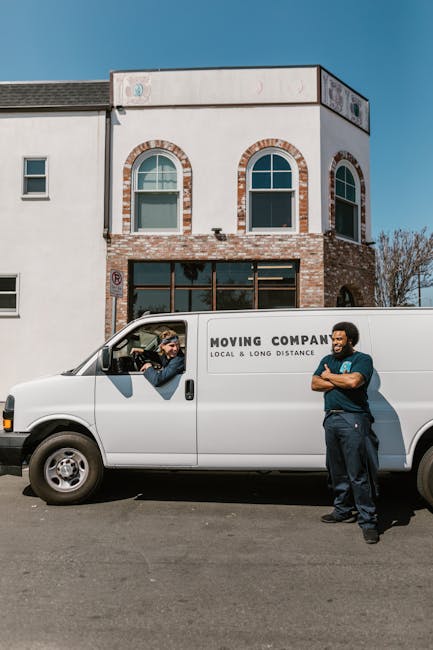
If you are trying to make sense of man and van pricing in St Luke's, you are not alone. Quotes can look simple at first glance, then suddenly feel a bit murky once mileage, loading time, access issues, and extras enter the picture. That's exactly why understanding man with van quotes for St Luke's moves matters: it helps you compare like with like, avoid awkward surprises on the day, and book a service that actually fits the move you have in front of you.
In a busy part of London, even a small move can be more complicated than it looks on paper. A second-floor flat, tight stairwell, awkward parking, or a last-minute same-day request can change the shape of the job very quickly. This guide breaks the whole thing down in plain English, with practical examples, a comparison table, a checklist, and the kind of detail people usually wish they had before asking for a quote.
Whether you're moving a few pieces of furniture, a student room, or the contents of a compact flat, the aim is the same: understand what you're paying for and why. Let's make it feel much less guessy.
- Why quotes matter in St Luke's
- How man and van quotes are usually built
- The main benefits of getting the quote right
- Who this is for
- A step-by-step way to compare quotes
- Expert tips for a smoother booking
- Common mistakes to avoid
- Useful tools and planning resources
- Law, compliance and best practice
- Options and comparison table
- A real-world style example
- Practical checklist
- Frequently asked questions
Why Understanding Man with Van Quotes for St Luke's Moves Matters
A quote is not just a price. It is a snapshot of how a mover understands your job. If that snapshot is accurate, you tend to get a smoother day, fewer delays, and fewer awkward "actually, that will cost extra" moments. If it is vague, the whole booking can wobble a bit.
In St Luke's, that matters more than many people expect. Local streets can be busy, parking can be limited, and many properties are old enough to have narrow access or tricky internal layouts. A quote that ignores those details may look cheaper, but it can turn out to be poor value once the real conditions of the move show up.
To be fair, most people only request a quote when they are already juggling everything else: notices, keys, packing tape, lift bookings, and maybe a growing pile of cardboard in the corner. So the goal is not to become a removals expert overnight. It is simply to know what to ask, what to confirm, and what should be included before you agree to anything.
For more background on choosing the right moving support, you may also find the broader guidance in services overview useful, especially if you are comparing different move sizes or service styles.
How Understanding Man with Van Quotes for St Luke's Moves Works
Most man and van quotes are built from a handful of core elements. The exact format varies by provider, but the logic is usually similar. You describe the move, the company estimates the time, vehicle, crew, and risk involved, and the price reflects that combination.
Here is the simplest way to think about it: the quote is made up of time, labour, vehicle use, and complexity. If the job is straightforward, the price usually sits in a simpler bracket. If it involves stairs, long carries, disassembly, waiting time, or multiple collection points, the quote should rise accordingly.
Common factors include:
- Distance between pickup and drop-off locations
- Volume and weight of items
- Number of movers required
- Time needed for loading, transport, and unloading
- Access issues such as stairs, no lift, or restricted parking
- Special items like sofas, beds, pianos, or fragile furniture
- Timing, such as evening work, weekends, or same-day requests
- Any packing, dismantling, or storage needs
A good quote should explain the assumptions behind the price. If the mover is confident, they should be able to tell you why they have priced the job in a certain way. A vague quote with no context is the sort of thing that tends to cause headaches later. Nobody needs that.
If your move involves bulky furniture, it can help to review furniture removals in St Luke's before deciding whether a standard man and van setup is enough.
Flat rate, hourly rate, or minimum charge?
Man and van pricing is often quoted in one of three ways. Some jobs are fixed-price. Others are hourly. And some have a minimum charge, especially for very small jobs.
- Fixed price: Best when the scope is clear and the mover can assess the work confidently.
- Hourly rate: Useful when access, traffic, or waiting time could affect the job length.
- Minimum charge: Common for short, simple jobs where a full hour or half-day minimum still applies.
Each method can be fair if it is explained clearly. Problems usually start when the customer thinks they have booked one kind of pricing and the mover is working on another. It sounds obvious, but people miss it all the time, usually because they are rushing.
What should be spelled out in the quote?
At minimum, the quote should make the following clear:
- What items are included
- Whether loading and unloading are included
- How many movers are coming
- What time the job starts
- How long the quote remains valid
- Any extras for stairs, long carries, or waiting
- Whether parking or congestion-related delays are chargeable
The more precise the wording, the easier it is to compare providers without comparing apples and pears.
Key Benefits and Practical Advantages
Getting to grips with quote structure does more than protect your budget. It also makes the whole move feel calmer. That is not a small thing. Moving day can already be noisy, messy, and a bit emotional, with doors open, boxes stacked in odd corners, and someone asking where the kettle has gone.
Here are the practical advantages:
- Better budget control: You can plan around a realistic price rather than a hopeful one.
- Fewer surprises: Clear quotes reduce the chance of add-ons appearing at the last minute.
- Faster decisions: You can compare providers with confidence instead of second-guessing every detail.
- Better service fit: You are more likely to book the right size van and the right number of movers.
- Lower stress: Knowing the likely cost and scope makes the move feel manageable.
There is also a hidden benefit: better quotes often lead to better preparation. Once you know the mover is pricing by access, volume, and timing, you naturally start thinking more clearly about what should be packed, dismantled, or moved separately. That is how small moves stop becoming messy ones.
For example, a compact flat move in St Luke's might be easy enough for a simple service, while a slightly larger job may need a broader removals service in St Luke's rather than a basic man with van booking.
Who This Is For and When It Makes Sense
This topic matters to a wide mix of people, not just first-time movers. In fact, the customers who benefit most are often the ones who think they already know how quotes work.
It makes sense if you are:
- Moving from a studio, flat, or small house
- Relocating a student room or shared accommodation
- Transporting furniture bought second-hand
- Booking a same-day collection or delivery
- Moving office items, stock, or equipment
- Handling a short local move where speed matters
- Trying to compare man and van options against larger removal companies
If you live in a block with tight corridors or limited parking, quote clarity becomes even more useful. The same is true if you have heavy items. A sofa, mattress, wardrobe, or piano can change the scope of a job quickly. If that sounds familiar, you might want to compare with a more specialised option such as flat removals in St Luke's or piano removals in St Luke's if the item is particularly awkward.
There is a moment many people reach where they ask, "Do I really need a full removal team for this?" Sometimes the answer is no. Sometimes it is yes. The quote should help you decide.
Step-by-Step Guidance
If you want a quote that is actually useful, not just cheap-looking, the best approach is structured. Here is a simple way to do it.
1. List the move in plain terms
Write down what you need moved, where it is going, and whether it needs dismantling, wrapping, or special handling. Keep it honest. Understating the job is the fastest route to awkwardness later on.
2. Count the large items
Big items matter more than people expect. A few boxes may be easy. A sofa, bed frame, desk, and washing machine are a different story entirely. If one item is particularly awkward, mention it clearly.
3. Note access details
Tell the mover about stairs, lifts, entrance widths, parking restrictions, and long walking distances from van to door. In St Luke's, access often affects timing just as much as item count does.
If parking feels like the unknown factor, a useful local read is the St Luke's parking access guide, which gives you a better sense of how local access can shape a booking.
4. Ask what is included
Do not assume. Ask whether loading, unloading, waiting time, dismantling, and reassembly are included. Ask whether blankets, straps, or protective covers are supplied. A clear answer now is better than a confused conversation on the pavement later.
5. Check whether the price is fixed or estimated
That single detail can change how you read the quote. A fixed price gives more certainty. An estimate may be fine too, but only if the conditions that could change it are clearly set out.
6. Compare the quote with your actual needs
If the mover is quoting for a large van and two people, but you only need a small single-item job, that may be too much. If they are quoting for a solo driver but your move includes stairs and several heavy pieces, that may be too little.
7. Confirm the booking in writing
After you agree, make sure the essentials are written down: date, time, address, item list, pricing basis, and any special instructions. Written confirmation avoids a lot of muddle. Simple, really.
Expert Tips for Better Results
A few practical habits can make a quote more accurate and the move itself less stressful. These are the little things people learn after doing this a few times, or after one move that went a bit sideways.
- Take quick photos: Photos of bulky items, stairs, and parking spaces can help the mover judge the job better.
- Measure awkward furniture: A tape measure can save a lot of guesswork. If a sofa will need turning or tilting, mention that.
- Bundle small items early: Boxes, bags, and loose pieces are easier to quote when they are organised.
- Be clear about timing: If you need the move before a key handover or building window, say so early.
- Separate essentials from non-essentials: If some items can be moved later or placed in storage, say that too.
One thing people often overlook is the impact of preparation. A mover can quote more accurately when your belongings are already sorted. If you need help getting to that stage, decluttering before relocating is worth reading because it helps reduce volume before the quote is finalised.
And if you are moving fragile items, take packing seriously. Good packing saves time, money, and nerves. Have a look at stress-free packing hacks if you want practical, no-fuss ideas that actually help.
In our experience, the clearest quotes come from customers who are calm, specific, and a tiny bit overprepared. Not perfect. Just specific enough. That's the sweet spot.
Common Mistakes to Avoid
There are a few classic mistakes that keep showing up. Nothing dramatic, just the sort of things that make a move more expensive or more stressful than it needed to be.
- Only giving a partial item list
If you forget to mention the ottoman, the side table, or the extra wardrobe boxes, the quote may be too low.
- Ignoring access issues
Stairs, no parking, and tight turnarounds can add time. If you leave them out, the estimate is less useful.
- Comparing only the headline price
A cheaper quote can be worse value if it excludes loading time or charges heavily for waiting.
- Assuming all vans are the same size
They are not. A van that looks fine for one job can be too small for another. If the load is bulky, ask about the vehicle type.
- Leaving confirmation until the last minute
That is where misunderstandings grow teeth. Get it in writing and move on.
A slightly annoying but important truth: if a quote sounds too vague to be useful, it probably is. Not always, but enough that it deserves a second look.
For bulkier furniture items, it can also help to understand storage and protection options. A related read on sofa storage and longevity gives a good sense of how careful handling can protect valuable items between homes.
Tools, Resources and Recommendations
You do not need fancy software to organise a move properly. A handful of simple tools usually does the job.
- Tape measure: Helps confirm item dimensions and access width.
- Phone camera: Useful for photographing items, stairwells, and parking restrictions.
- Notes app or checklist: Keeps your move inventory neat and easy to update.
- Labels and markers: Helps you group boxes by room or priority.
- Protective materials: Blankets, wrap, and sturdy boxes make the move more efficient.
For heavier items, sensible lifting technique matters more than bravado. If you are doing any handling yourself, take a look at kinetic lifting and better movement and solo heavy lifting tips. They are practical reads and a good reminder that your back is not a machine. Sadly.
If a bed or mattress is part of your move, it can also help to understand how movers usually handle larger bedroom items. This guide on shifting a mattress and bed with ease is a sensible companion piece.
And for anyone facing a bigger transition, making a house transition seamless is a good way to think about the move as a process, not a single day.
Law, Compliance, Standards, or Best Practice
For most people, the important thing is not legal complexity but basic trust and care. Still, there are a few UK norms worth bearing in mind when you book a man and van service.
First, a professional mover should be clear about what they are offering, what is included, and what could change the price. That is a best practice issue as much as a customer service one. Clear terms help prevent disputes. They also make it easier for you to understand your rights and responsibilities.
Second, safety matters. Manual handling, vehicle loading, and secure transport should be taken seriously. The move should be carried out in a way that protects people and property. If a company talks casually about heavy items without mentioning risk, that is not ideal. You want method, not heroics.
Third, insurance and security should be explained clearly. You do not need to become an insurance expert, but you should understand what protection is in place and what the limits are. If the move involves valuables, that becomes especially relevant.
For a fuller sense of how a provider handles these areas, it is worth reading the company's insurance and safety information alongside its health and safety policy and terms and conditions. Those pages help you judge whether the service is run with proper care.
Best practice also means respecting buildings, neighbours, and local access rules. In busy London areas, that may include planning around parking and avoiding unnecessary delay. A mover who understands the local environment is often worth more than one who just offers the lowest headline number.
Options, Methods, or Comparison Table
If you are still deciding what type of service fits, the comparison below may help. It is not about finding the "best" option in the abstract. It is about matching the quote to the job.
| Option | Best for | Quote style | Typical strengths | Watch-outs |
|---|---|---|---|---|
| Man and van | Small to medium moves, furniture collections, local transfers | Hourly or fixed, often based on access and load size | Flexible, quick, usually cost-effective | Can become expensive if access is awkward or the scope grows |
| Flat removals | Single-flat moves with stairs, lift access, and furniture | Often more structured, sometimes fixed-price | Better suited to full-room or full-flat moves | May be more service than you need for a very small job |
| House removals | Larger family moves or more complex loads | More detailed estimate, often based on inventory | Designed for bigger relocation jobs | Not ideal if you only have a few items |
| Same-day removals | Urgent bookings or last-minute changes | Often subject to availability and time pressure | Fast response when plans change suddenly | Limited availability, less room for flexibility |
If you are weighing up speed against planning, you may also find what to expect from same-day removals in St Luke's useful. And if your timing is flexible, the best times to book a man and van in St Luke's EC1V can help you avoid the busiest windows.
Case Study or Real-World Example
Picture a typical small flat move in St Luke's. Not a grand removal, just a real-life one: a one-bedroom flat, a bed frame, mattress, two chests, a desk, four boxes of books, a sofa, and a few awkward bags of "miscellaneous" things that turn out to be anything but miscellaneous.
The first quote looks cheap. Very cheap, actually. But it turns out the quote only covers the van time, not the stair carry, not the dismantling of the bed, and not the waiting time while the tenant collects keys from the old place. That is the sort of quote that looks neat until it is tested by reality.
A more useful quote would ask about the stairs, access at both addresses, the sofa size, and whether the desk needs taking apart. It might cost a bit more up front, but it would also be more likely to match the actual job. Less scrambling. Less "we'll just make do."
In a case like that, a customer could also reduce the final quote by decluttering first, packing properly, and separating the furniture that needs special handling. If they are moving out of a flat with a lot of small items, a structured service such as packing and boxes in St Luke's can make the job much easier to estimate.
What changed the outcome was not magic. It was clarity. Once the mover had enough detail, the quote became more realistic, the timing made sense, and moving day felt much less frantic. That is the point, really.
Practical Checklist
Use this before you confirm a booking. It keeps things tidy and avoids the most common quote issues.
- List every item that needs moving, including awkward or bulky pieces
- Note whether anything must be dismantled or reassembled
- Record stairs, lift access, parking restrictions, and long walking distances
- Confirm whether the quote is fixed or estimated
- Ask what loading, unloading, and waiting time are included
- Check if there are extra fees for congestion, stairs, or delays
- Confirm the number of movers and the vehicle size
- Ask how fragile or valuable items are handled
- Make sure the booking details are in writing
- Keep a copy of any terms you have agreed to
Quick expert summary: the best man and van quote is not always the cheapest one. It is the one that most accurately reflects your actual move, in your actual building, on your actual day. That sounds simple, but it is where many bookings go sideways.
Conclusion
Understanding man with van quotes for St Luke's moves is really about making the invisible parts of a move visible before anyone turns up with a van. Once you know how time, access, item size, and service scope affect the price, it becomes much easier to compare providers and avoid last-minute stress.
For many local moves, that knowledge is enough to save money, reduce confusion, and make the day feel far more organised. And if your move is bigger than it first appears, you will be in a much better position to choose between a simple man and van booking and a more complete removals service.
Take your time with the quote, ask the awkward questions early, and keep things clear. It pays off. Honestly, it really does.
Get a free quote today and see how much you can save.
However far along you are in the process, a careful quote is a calm start, and a calm start makes the rest feel lighter.
Frequently Asked Questions
What is a man and van quote based on?
Usually it is based on the amount of work involved, the travel distance, the time needed, the number of movers, and any access difficulties such as stairs or restricted parking.
Why do man with van quotes vary so much in St Luke's?
Because no two jobs are exactly the same. A small ground-floor collection is very different from a top-floor flat move with a long carry and tight parking, even if the addresses are close together.
Should I choose the cheapest quote?
Not automatically. A cheap quote can be fine if it is complete and clear, but a very low price sometimes means something important is missing. Compare what is included, not just the headline figure.
What details should I give to get an accurate quote?
List the items, mention stairs or lift access, explain parking conditions, say whether anything needs dismantling, and include any fragile or unusually heavy pieces.
Are fixed quotes better than hourly quotes?
Not always. Fixed quotes are great for certainty, while hourly quotes can work well when the job scope is slightly flexible. The key is understanding how the mover calculates each one.
Can I get a same-day quote and booking?
Sometimes, yes. Availability depends on the day, the time, and how busy the area is. Same-day jobs tend to work best when the move is straightforward and the details are easy to confirm quickly.
Do I need to mention parking issues in advance?
Yes, definitely. Parking can affect timing and cost, especially in busier parts of London. If the van cannot stop close to the property, the job may take longer than expected.
What happens if I forget to mention an item?
If it is small, it may not matter much. If it is a sofa, bed, piano, or another large item, the quote could change. It is better to over-disclose than to leave out the awkward bits.
Is it normal for a quote to change after a survey or photos?
Yes, that can happen if the mover learns something new about access, volume, or handling requirements. A change is fine if it is explained clearly and fairly.
Should I ask about insurance before booking?
Yes. You should understand what cover is in place and how valuable or fragile items are handled. A trustworthy mover will not make this feel complicated.
How can I make my quote lower without cutting corners?
Declutter first, pack efficiently, dismantle simple furniture if you are able to do so safely, and give accurate information from the start. That usually helps the quote become more realistic, and sometimes lower.
When should I book a man and van in St Luke's?
If you have a fixed moving date, book as early as you can. Flexible timings can help with availability and sometimes pricing too, especially during busy periods.
What is the biggest mistake people make with moving quotes?
The biggest one is assuming every quote includes the same things. It rarely does. Ask the questions, check the scope, and confirm the details in writing. It saves a lot of hassle later.