Emergency Evacuations: Fast Removals in EC1M St Luke's
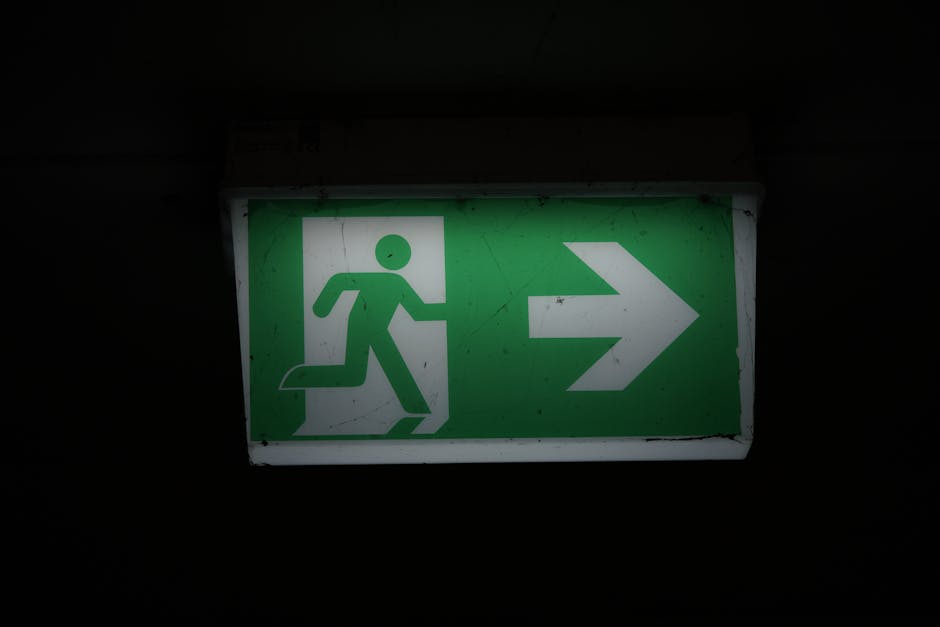
When you need to move quickly, there is no time for guesswork. Emergency evacuations in EC1M St Luke's can happen after a burst pipe, a landlord issue, an office incident, a blocked property, or a last-minute change that leaves you with boxes, furniture, and not much breathing room. In those moments, fast removals are less about convenience and more about getting people, valuables, and the day back under control.
This guide explains how emergency evacuations and rapid removals work in St Luke's, what to expect, how to prepare, and how to avoid the usual headaches. If you are staring at a hallway full of bags at 7:30 in the morning, or trying to relocate a flat before the afternoon, this will help you think clearly and move safely. A little structure goes a long way. Honestly, a lot.
Why Emergency Evacuations: Fast Removals in EC1M St Luke's Matters
St Luke's sits in a part of London where access can be tight, timing matters, and building layouts are often not forgiving. That is exactly why emergency evacuation removals need a slightly different mindset from a standard booked move. You are not only transporting items. You are making decisions under pressure, often while dealing with neighbours, building managers, or a stressful property issue that is still unfolding.
Fast removals matter because delay can make a bad situation worse. Water damage spreads. Smoke odour settles. Shared hallways get congested. In office settings, downtime can become expensive very quickly, and in residential moves the emotional strain can ramp up just as fast. There is also the simple reality that people under pressure make awkward lifting choices. That is when injuries, damage, and lost keys start to happen.
In practice, emergency removals are about reducing risk before it snowballs. The sooner fragile items, documents, electronics, and essential furniture are moved to safety, the easier the recovery tends to be. If you need a broader picture of how a removal process is normally structured, it can help to look at a clear overview of removal services before panic sets in.
Expert summary: the best emergency evacuation removals are calm, quick, and organised. They do not try to do everything at once. They prioritise the essentials first, protect access routes, and keep the move simple enough to finish safely.
How Emergency Evacuations: Fast Removals in EC1M St Luke's Works
Most emergency removals follow the same broad pattern, though the pace is faster and the planning is more focused. You will usually begin with a short assessment: what needs to go, where it needs to go, and what obstacles are in the way. That might mean stairs, narrow lifts, parking restrictions, or a flat where the safest route is through a side entrance.
Then comes triage. Not everything needs moving first. In a true urgent situation, the priorities are usually documents, medication, chargers, keys, laptops, bedding, small valuables, and essential clothing. Heavy furniture often comes next, if there is time and access. It is rarely the moment for a sentimental sort-out. To be fair, nobody wants to be standing in a hallway debating an old armchair while a lift slot is disappearing.
If you are dealing with a flat move under pressure, it may also be useful to understand the practical side of flat removals in St Luke's, especially where stairs, lift size, and access windows can shape the whole operation.
A typical fast removal flow looks like this:
- Initial call or message: explain the situation, the property type, access issues, and what must be moved.
- Rapid planning: decide which items are essential, which can wait, and whether storage or two trips are needed.
- Vehicle and crew allocation: a van is chosen based on load size and access constraints, not just distance.
- Safe packing and loading: items are wrapped, stacked, and secured quickly but sensibly.
- Transport and unloading: the load is taken to the destination, temporary holding point, or storage.
In some cases, fast removals are only part of the answer. If the destination is not ready, then secure storage in St Luke's can buy you time while the urgent issue is resolved.
Key Benefits and Practical Advantages
The obvious benefit is speed, but speed on its own is not the real value. A good emergency removal service gives you control back. That might sound a bit dramatic, but in a messy situation control is the thing people miss most. You know what is moving, where it is going, and who is handling it.
Here are the main advantages people notice:
- Reduced exposure to damage: moving items away from water, smoke, or obstruction sooner can protect them.
- Less stress for everyone involved: clear action is easier to manage than waiting and worrying.
- Better use of tight time windows: emergency slots often need precise arrival and loading.
- Safer handling: trained movers are less likely to rush in the wrong way.
- Cleaner decision-making: emergency removals force prioritisation, which is often helpful.
There is also a local advantage in St Luke's. Some streets, building entrances, and delivery windows are simply not built for casual, last-minute loading. Planning around that reality can save a lot of grief. If parking or access is the big concern, have a look at this parking and access guide for Bunhill Fields Road and similar route-planning advice.
For a lot of people, the biggest practical win is not even the move itself. It is the moment after. The hallway is clear, the essentials are safe, and you can finally make the next decision without tripping over a sofa leg. Small victory, but a real one.
Who This Is For and When It Makes Sense
Emergency evacuation removals are not only for dramatic incidents. They are for anyone who has a real deadline and a real problem. That may be a resident, a landlord, a tenant, a student, an office manager, or someone handling a property after an unexpected disruption.
This service makes sense when:
- you have a same-day or next-day move with very little preparation time
- your property is unsafe or no longer suitable to stay in
- your landlord, building management, or insurer needs the space cleared promptly
- you need to relocate valuable items before further damage occurs
- you are moving from or into a property with difficult access and no spare time to improvise
Students, in particular, can find themselves in awkward, compressed move-out windows. For that kind of short-notice relocation, the details in student removals in St Luke's can be genuinely useful, especially if your timetable is measured in hours rather than days.
It also makes sense for offices that need a clean handover. A few hours can matter when IT, archives, desks, and reception furniture all have to be cleared without disrupting the building around you. Emergency moves are often about avoiding the second problem that appears after the first one. You know the sort. One small issue and suddenly five more arrive.
Step-by-Step Guidance
If you are organising a fast removal in EC1M St Luke's, keep the process very simple. The best plan is the one you can execute under pressure. Here is the practical version.
1. Identify what must move now
Sort items into three groups: essential, important, and can-wait. Essential is what you would hate to lose or need immediately. Important is what you can live without for a day or two but still want close. Can-wait is the rest. That split keeps the move focused.
2. Protect documents and valuables first
Passports, contracts, bank papers, laptops, jewellery, medication, and keys should be separated and carried personally if possible. It sounds obvious, but in a rush even obvious things get forgotten. We have all seen the "where did I put the charger?" moment, and it is never graceful.
3. Clear the route before lifting
Make sure hallways, stairwells, and doorways are free of clutter. If there are wet patches, loose mats, or fragile frames in the way, move them before anyone picks up a heavy item. A clear route saves time and avoids those horrible half-turn manoeuvres that end with scraped walls.
4. Use the right packing method for the time you have
For a normal move you might neatly label every box. In an emergency, aim for secure and visible. Keep boxes manageable, use soft wrap around delicate items, and do not overload. If you want better packing habits under time pressure, these packing hacks for a calmer move are worth a read.
5. Load by priority, not by room order
In an urgent evacuation, the first items into the van should be the ones least likely to be left behind and most likely to be needed quickly at the destination. That may be essentials, then medium-sized furniture, then loose items. It depends on your situation, but a deliberate order is better than random stacking.
6. Confirm the drop-off plan
Before the van leaves, confirm exactly where the items are going. Temporary storage? Another flat? A friend's garage? A new office? The driver or removal team should not be guessing. Guessing is what causes extra laps around central London, and nobody needs that at the end of a stressful day.
Expert Tips for Better Results
There are a few habits that make emergency removals smoother straight away. None of them are fancy, which is probably why people skip them.
- Start with the tightest constraints: if access is awkward, plan around that first rather than the furniture list.
- Keep one person in charge: too many voices slows everything down. One decision-maker is enough.
- Use soft packing for speed: blankets, towels, and wrap can buy protection without slowing the whole process.
- Think in zones: create a "must move now" corner and a "can stay for later" corner.
- Reserve space for exit: do not fill the hallway or landing with boxed clutter.
If lifting is involved, proper posture matters more than heroic effort. A short, careful lift is better than a rushed one. For technique and body mechanics, this guide to safer lifting movement is a sensible companion read. And if you are moving bulky household items, the practical advice in heavy lifting techniques can help you avoid the usual back strain.
One more thing: do not make the van the storage room. If you load in a rush and then forget what is where, unloading becomes chaos. Label the essentials, put the fragile stuff together, and keep one clear bag for immediate-use items. Trust me, future-you will be grateful.
Common Mistakes to Avoid
Emergency removals usually go wrong in predictable ways. The good news is that most of them are avoidable, even when time is short.
Trying to move everything
When time is tight, trying to clear the whole property in one sweep can backfire. You waste energy on low-priority items and lose focus on the things that actually matter.
Underestimating access problems
EC1M properties can include narrow staircases, shared entrances, controlled parking, and lift restrictions. If you assume access will be easy, the plan can unravel very quickly. A better approach is to expect at least one complication and prepare for it.
Using unsuitable boxes
Weak cardboard, overfilled bags, and loose lids slow everything down. One split bag in a stairwell is enough to ruin the mood for everyone. Not ideal.
Ignoring building rules
Short-notice still does not mean rule-free. Quiet hours, loading access, concierge instructions, and fire exits all still matter. If you are unsure how a building move should be handled, a service page like removal services in St Luke's can help frame what proper support looks like.
Forgetting the destination
People sometimes focus so hard on getting out that they fail to plan where the items will sit once they arrive. That creates a second emergency later in the day.
If your move out is linked to leaving a property in clean condition, the practical steps in cleaning before you leave are also worth combining with the removal plan. It saves a second trip back. Which, let's face it, nobody wants.
Tools, Resources and Recommendations
You do not need a warehouse of equipment to complete an emergency evacuation well. A small, useful set of tools is enough.
- strong boxes in a few different sizes
- tape, labels, marker pens, and a notepad
- bubble wrap, blankets, or soft wrapping material
- gloves with a decent grip
- trolley or sack truck where appropriate
- plastic bags for loose parts, cables, and fixtures
- a charging cable or power bank for essential devices
For furniture-specific concerns, there are useful local resources such as furniture removals in St Luke's and packing and boxes support in St Luke's. Those can be particularly helpful if you need to balance speed with damage prevention.
If the urgent move involves a bed or mattress, it is worth understanding the handling basics beforehand. The article on moving beds and mattresses safely gives a good sense of what tends to go wrong. Sofas are a different beast again, and the guidance in sofa storage and care may help if you need to hold items temporarily rather than take them straight to a final destination.
Law, Compliance, Standards, or Best Practice
In emergency removals, the legal and compliance side is mostly about duty of care, safe handling, and respecting property rules. You do not need a legal seminar in the middle of an evacuation, but you do need to avoid careless behaviour that could create avoidable loss or injury.
In the UK, moving work should be handled with proper attention to manual handling, safe access, and insurance arrangements. That means not overloading people, not forcing awkward lifts, and not leaving heavy items unsecured in transit. For businesses, it also means treating records, equipment, and premises carefully enough to reduce disruption and preserve continuity.
Good practice in St Luke's usually includes:
- clear communication about access and timings
- careful use of shared corridors and lifts
- documented handling of fragile or high-value items
- respect for any building management instructions
- secure loading so items do not shift during transport
If you want to understand how a company frames its own responsibilities, you may find it helpful to review health and safety policy information and insurance and safety details. It is not glamorous reading, true, but it does tell you a lot about how seriously safety is taken.
There are also practical trust signals worth checking in any provider relationship, such as clear pricing, written terms, and a sensible complaints route if something goes wrong. Not exciting, but very useful when pressure is on.
Options, Methods, or Comparison Table
Not every urgent move needs the same solution. The right choice depends on how much there is to move, how quickly it has to happen, and whether you need short-term holding space.
| Option | Best for | Strengths | Limitations |
|---|---|---|---|
| Same-day removals | Immediate or near-immediate evacuation | Fast response, simple planning, good for urgent deadlines | May need flexible timing and a smaller load |
| Man and van | Smaller loads or partial evacuations | Quick, practical, often easier for tight access | Not ideal for very large or multi-room moves |
| Full removal team | Larger homes or office clearances | More hands, better for bulky items, more structured loading | May require a wider booking window |
| Move with storage | When destination is not ready | Buys time, reduces pressure, useful in uncertainty | Adds an extra step and requires more coordination |
If your evacuation really is urgent, same-day removals in St Luke's are often the most direct answer. For smaller loads, a man and van in St Luke's may be enough. For larger clearances, a structured house removals service in St Luke's is usually the safer route.
Case Study or Real-World Example
Here is a realistic example, based on the kind of job that comes up in EC1M. A resident in a second-floor flat notices water damage spreading from above in the early morning. The ceiling is not safe to ignore, and several boxes, a desk, a mattress, and a few bags of valuables need moving out quickly before the space gets worse.
Rather than attempt a full move, the plan focuses on essentials: documents, laptop, medication, clothes for a few days, and anything valuable or hard to replace. A short route is checked through the hallway, the lift is reserved where possible, and the most awkward furniture is left for a later visit once the immediate issue has been assessed.
The first trip clears the critical items. The second trip handles the bed and a couple of heavier pieces after the route is confirmed and the timing is calmer. Because the priority was set properly, the resident avoids leaving key items behind, and the move is finished without anyone trying to carry too much at once. That is usually the difference between a bad day and a manageable one.
In a slightly different version of the same scenario, the items are taken to temporary holding rather than a final home. In that case, a combination of careful loading and local storage options can keep the move flexible while the underlying issue is sorted.
Practical Checklist
Use this checklist when you need to move fast. If you can tick most of these boxes, you are in a much better position.
- Confirm what has to move today and what can wait
- Separate documents, valuables, medication, and keys
- Check stairways, lifts, and entry points before loading
- Clear the corridor and protect delicate surfaces where possible
- Gather boxes, tape, wrap, and labels in one spot
- Keep one person responsible for decisions
- Plan the destination before the van arrives
- Use safe lifting technique and avoid overfilling boxes
- Make sure any fragile or high-value items are clearly identified
- Confirm whether you need storage after the move
Quick takeaway: in an emergency, speed matters, but structure matters more. Prioritise essentials, keep access clear, and do not try to lift everything at once.
If you are comparing providers, the pages on removal companies in St Luke's, man with a van in St Luke's, and removal van options in St Luke's can help you think through the practical differences without overcomplicating it.
Get a free quote today and see how much you can save.
Conclusion
Emergency evacuations are never ideal, but they do not have to turn into chaos. With the right priorities, the right access plan, and a removal approach that fits the situation, you can get through a difficult day with far less damage, confusion, and stress than you might expect.
In EC1M St Luke's, where access and timing can be tricky, the smartest move is usually the simplest one: protect the essentials, move safely, and use support that understands urgent removals in real-world conditions. That is the bit people remember afterwards, not the rush itself.
And once the dust settles, you will be glad you handled it properly. That quiet moment when the last box is gone and the hallway is finally clear? Worth a lot, really.
Frequently Asked Questions
What counts as an emergency evacuation removal in St Luke's?
It usually means a move that has to happen urgently because the property is unsafe, inaccessible, damaged, or no longer suitable to stay in. It can also include sudden office clearances or landlord-driven deadlines.
Can fast removals happen on the same day?
Yes, in many cases they can, provided access, vehicle availability, and the size of the load line up. Smaller or more focused moves are usually easier to complete at short notice.
What should I move first in an emergency?
Start with documents, valuables, medication, keys, chargers, laptops, and a few days of clothing. Heavy furniture can wait if time is tight and the property is safe enough to leave it temporarily.
Is a man and van enough for an urgent move?
Sometimes, yes. If you are moving a smaller load or only the essentials, a man and van can be the most practical option. Larger homes or office moves may need a bigger team.
How do I avoid damaging furniture during a rushed move?
Keep the route clear, wrap sharp or delicate edges, do not overload boxes, and avoid dragging items. Rushing the lift is usually where damage happens, not during the drive.
What if I need storage after the emergency move?
That is very common. If your final destination is not ready, short-term storage can keep your belongings safe until you can complete the next step.
Do emergency removals cost more than regular bookings?
They can, mainly because urgent timing often requires immediate scheduling and tighter logistics. The exact cost depends on the load, access, distance, and timing. A proper quote is the safest way to know.
How much notice do I need for a fast removal in EC1M St Luke's?
Less is possible, but more is always better. Even a few hours of notice can help with planning, parking, and access checks. If you have only a short window, explain that clearly from the start.
What if my building has a narrow lift or tight staircase?
That needs to be flagged early. Narrow lifts and awkward staircases can change the move plan quite a bit, so it helps to discuss access before anything is loaded.
Can you help with office emergency clearances too?
Yes, urgent office moves are a common use case. The process is similar, but the focus tends to be on equipment, files, and reducing downtime as quickly as possible.
Should I pack everything myself before the movers arrive?
Not necessarily. If time is tight, it is often better to pack the essentials well and leave the rest to be handled in a more controlled way. A rushed pack is still a rushed pack, after all.
Where can I learn more about the company before booking?
You can read more about the team on the about us page, review terms and conditions, and check the payment and security information before you make a decision.